Russia on Monday pushed back against European involvement in upcoming peace talks, insisting that a planned meeting in Abu Dhabi this week with Ukrainian and U.S. representatives will exclude officials from the European Union.
“As for the presence of Europeans, you know that the Americans have their own channels of communication with the Europeans, as do the Ukrainians,” Kremlin spokesman Dmitry Peskov said when asked whether Europe had secured a spot at the negotiation table.
American and Ukrainian negotiators are “in all likelihood constructing their own coordination mechanism” with European representatives, Peskov added.
European Commission President Ursula von der Leyen said earlier on Monday that the “EU will be present alongside our partners” at the upcoming peace talks, which take place on Tuesday and Wednesday. A spokesperson for the European Council also confirmed the participation.
A European official told AFP that national security representatives from the EU, NATO, as well as France, Germany and the U.K. plan to be in the UAE capital during the negotiations.
Sources told Euronews that NATO will be represented by Chief of Staff Geoffrey Van Leeuwen. The EU team will be led by Bjoern Seibert, von der Leyen’s chief of cabinet, and Anna-Maria Boura, chief foreign policy advisor to European Council President António Costa.
It was not immediately clear if a face-to-face meeting between the European representatives and Russians will take place.
Ukrainian President Volodymyr Zelensky also appeared to confirm European involvement in the upcoming talks by saying he held a call with von der Leyen on Monday, during which they “coordinated our positions regarding the meeting in Abu Dhabi.”
“We are doing everything to ensure the trilateral format delivers results,” Zelensky wrote on X.
Ukraine’s European allies have voiced growing concerns that the Trump administration might try to negotiate over their heads by working directly with Russia on a post-war security arrangement.
In an apparent push to reassert Europe’s place in the conversation, Norwegian Prime Minister Jonas Gahr Støre and Finnish President Alexander Stubb spoke over the phone with Russian President Vladimir Putin last month to discuss the Ukraine war.
That call was met with some criticism from other European officials, who argue that they do not believe Russia wants peace with Ukraine or Europe.
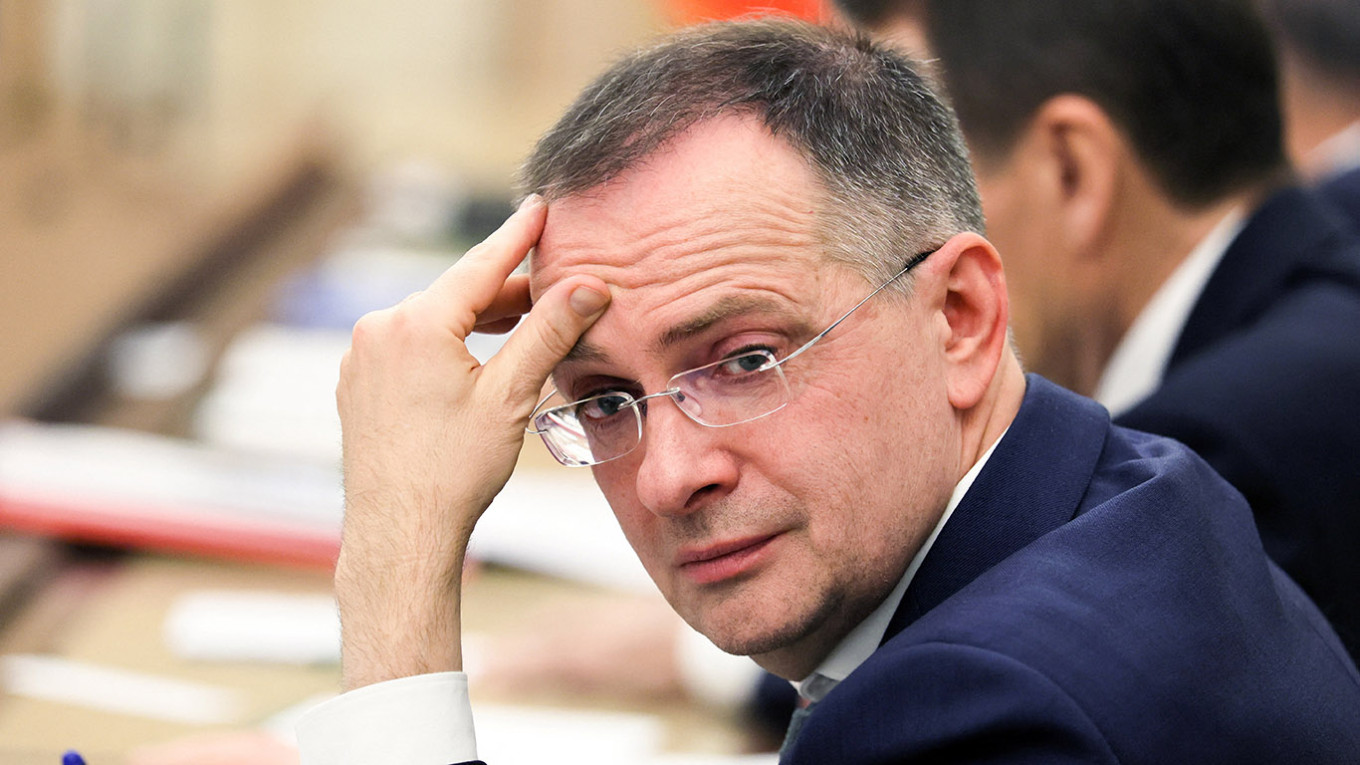
At the talks in Abu Dhabi this week, Kremlin adviser Vladimir Medinsky, an arch-conservative who previously served as Russia’s culture minister, will once again serve as the chief negotiator of the Russian delegation.
Military and intelligence officials, as well as Deputy Foreign Minister Sergei Ryabkov, will also participate on the Russian side.
The Abu Dhabi talks will mark the resumption of U.S.-mediated negotiations to end the Ukraine war. Russian and Ukrainian officials last met in February, but negotiations were put on pause after the United States and Israel launched the war against Iran.
AFP contributed reporting.
A Message from The Moscow Times:
Dear readers,
We are facing unprecedented challenges. Russia's Prosecutor General's Office has designated The Moscow Times as an "undesirable" organization, criminalizing our work and putting our staff at risk of prosecution. This follows our earlier unjust labeling as a "foreign agent."
These actions are direct attempts to silence independent journalism in Russia. The authorities claim our work "discredits the decisions of the Russian leadership." We see things differently: we strive to provide accurate, unbiased reporting on Russia.
We, the journalists of The Moscow Times, refuse to be silenced. But to continue our work, we need your help.
Your support, no matter how small, makes a world of difference. If you can, please support us monthly starting from just $2. It's quick to set up, and every contribution makes a significant impact.
By supporting The Moscow Times, you're defending open, independent journalism in the face of repression. Thank you for standing with us.

Remind me later.