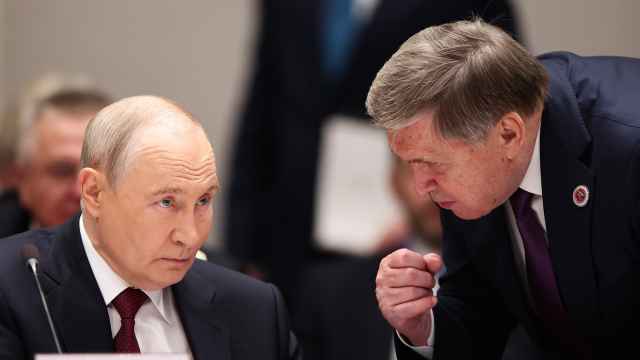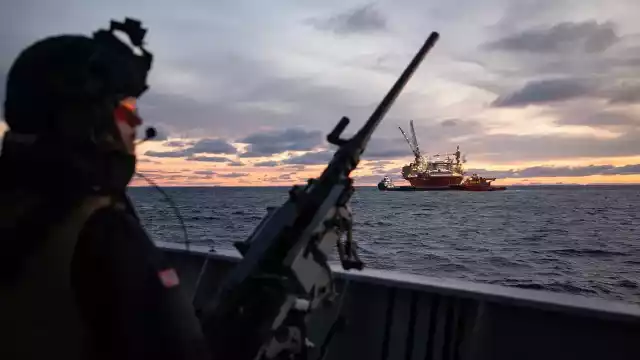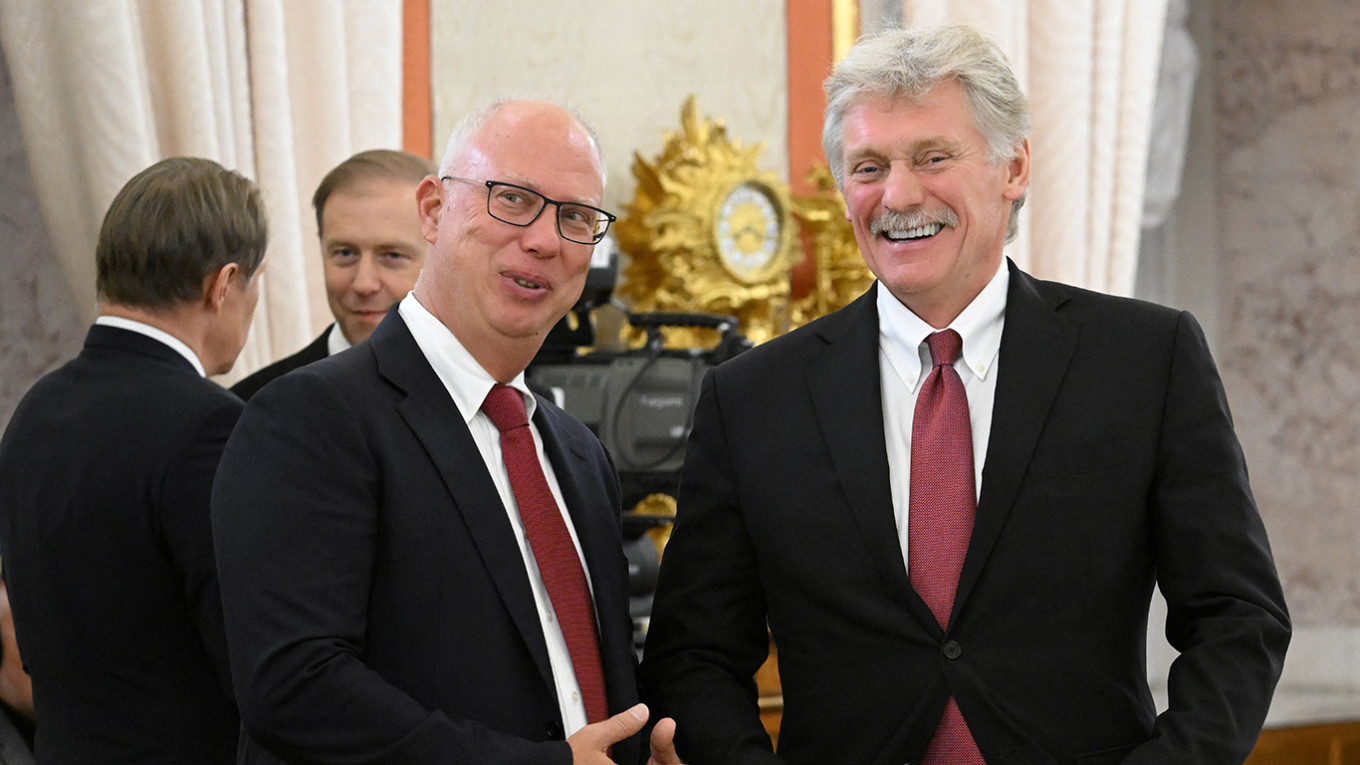
The Kremlin accused Europe on Friday of struggling to decide who would represent it in future talks on ensuring the continent's security as part of a potential agreement to end the Ukraine war.
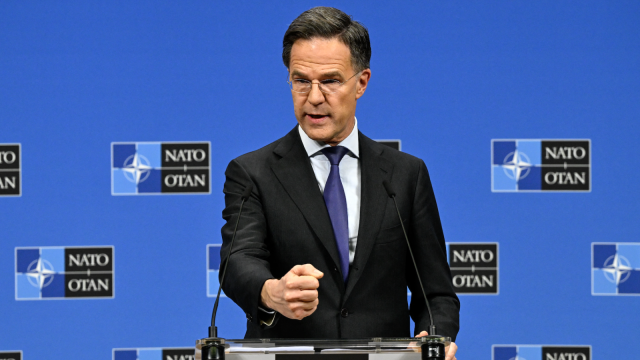
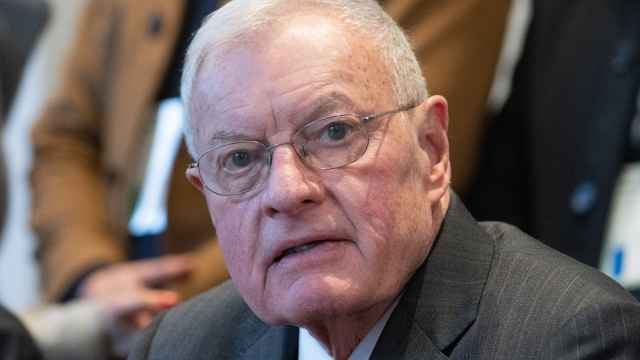
The U.S., Ukraine, NATO and European officials held a meeting in Brussels on Thursday dedicated to security guarantees for Kyiv and a broader European security architecture. U.S. President Donald Trump said "a big agreement" to end the war "might involve all of Europe."
Asked on Friday about what role Europe could play in future negotiations, Kremlin spokesman Dmitry Peskov said it would need to ultimately be involved, but added that the European officials had so far struggled to present a unified force.
"As for any ideas from the Europeans, we have not received any. We are not aware of any," Peskov told reporters at a daily briefing.
"One way or another, the discussion will turn to the future security system in Europe when there will be talks about mutual security guarantees between Russia and Ukraine," Peskov added. "It will of course be impossible to do this without the Europeans at some stage."
However, he said, Europeans "have not even yet been able to decide who can speak on their behalf," which he suggested was a sign of "indecision and an unwillingness" to engage with Russia.
His comments come days after Norwegian Prime Minister Jonas Gahr Støre and Finnish President Alexander Stubb held a phone call with President Vladimir Putin to discuss ongoing talks to end the Ukraine war.
Both Finland and Norway said their leaders were speaking as representatives of their respective countries and did not speak on behalf of Europe as a whole. Still, the phone call with Putin was met with criticism from some European leaders.
Danish Prime Minister Mette Frederiksen said she was “very skeptical” of the initiative and did not believe Russia wants peace with Ukraine or Europe.
Støre defended the phone call with Putin, saying it was important for the Russian leader to hear the views of Europeans directly rather than through intermediaries, like Trump administration officials who are working to broker a peace deal.
Reuters contributed reporting.
A Message from The Moscow Times:
Dear readers,
We are facing unprecedented challenges. Russia's Prosecutor General's Office has designated The Moscow Times as an "undesirable" organization, criminalizing our work and putting our staff at risk of prosecution. This follows our earlier unjust labeling as a "foreign agent."
These actions are direct attempts to silence independent journalism in Russia. The authorities claim our work "discredits the decisions of the Russian leadership." We see things differently: we strive to provide accurate, unbiased reporting on Russia.
We, the journalists of The Moscow Times, refuse to be silenced. But to continue our work, we need your help.
Your support, no matter how small, makes a world of difference. If you can, please support us monthly starting from just $2. It's quick to set up, and every contribution makes a significant impact.
By supporting The Moscow Times, you're defending open, independent journalism in the face of repression. Thank you for standing with us.

Remind me later.