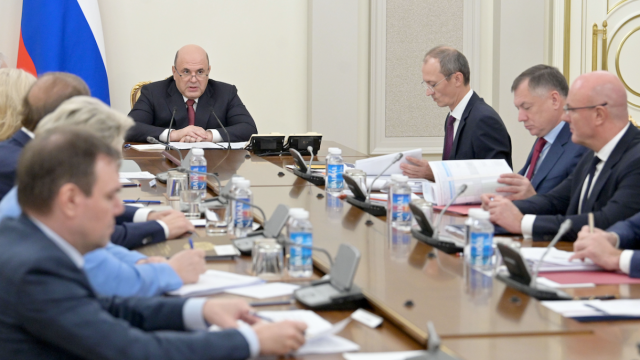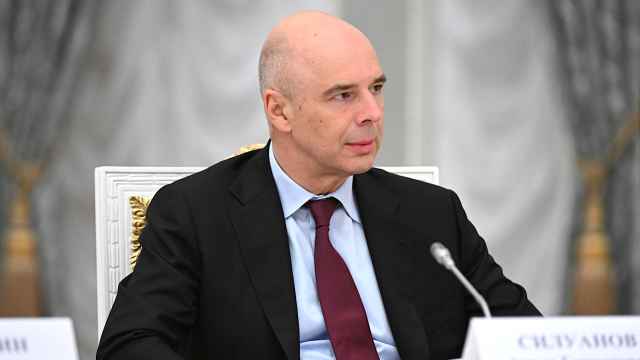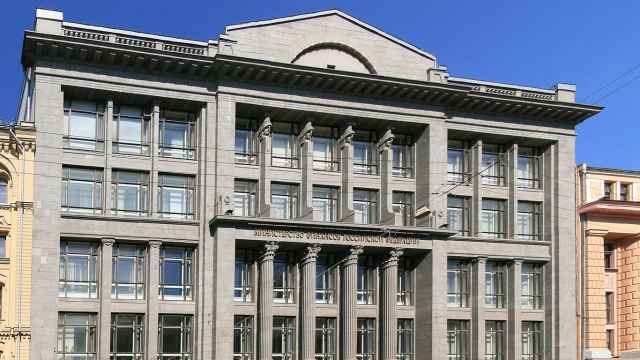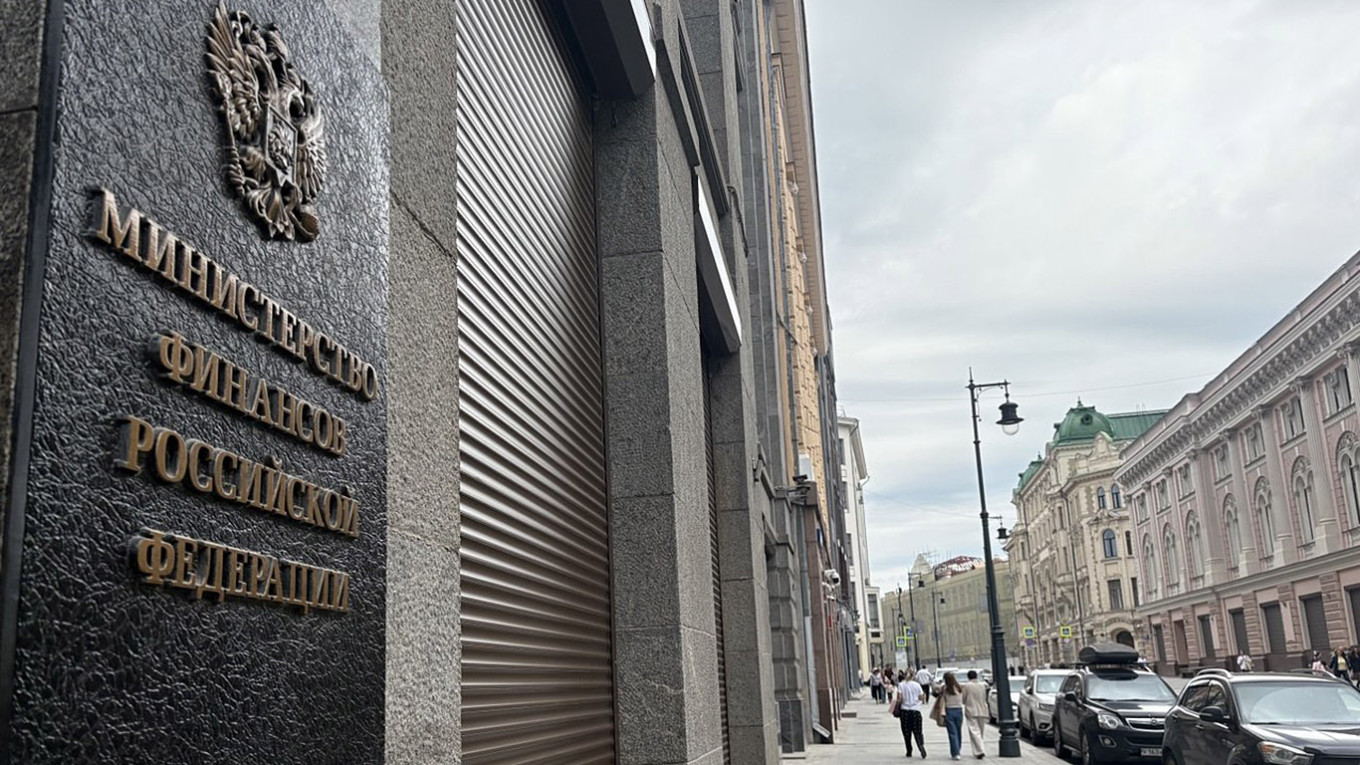
Russia’s Finance Ministry submitted its draft budget proposal for 2027 on Thursday, introducing a fresh round of tax increases on passive income, e-commerce and corporate windfalls as Moscow struggles to fund soaring military spending.
Each year, the Finance Ministry must submit its draft federal budget for the upcoming fiscal year to the lower-house State Duma no later than Oct. 1.
The 2027 proposal outlines a new progressive tax scale of 13%-22% on passive personal income, including bank deposit interest, stock dividends, real estate sales and securities trading. Those income sources are currently taxed at a rate of 13-15%.
Policymakers estimate the increase would affect roughly 4 million high-income Russians. Military personnel would be exempt from the tax increase.
To extract additional revenue, the draft budget proposes a 35% tax on dividend payouts transferred to non-resident “Type C” bank accounts and subjects mutual investment funds to a 15% tax on passive earnings, eliminating their ability to defer profit taxes indefinitely.
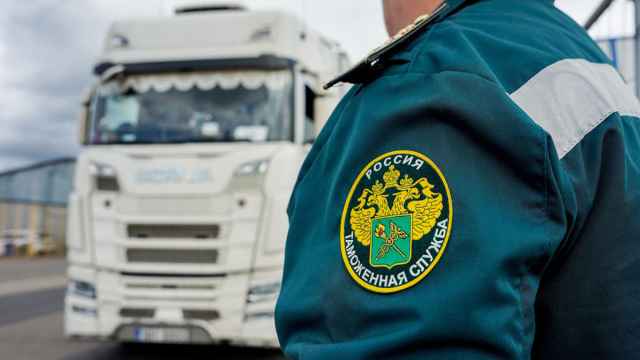
The Finance Ministry has also proposed applying a 22% value-added tax (VAT) to cross-border online retail purchases, alongside a flat customs fee of 100 rubles ($1.18) on international packages valued under 200 euros ($227).
In addition, mining and metallurgical companies would face a 30% tax on excess earnings generated by recent spikes in global commodity prices.
Defending the proposed tax hikes, which the Kremlin recently denied were under discussion, the Finance Ministry noted that defense and security remain a priority for the government.
The budget proposal “addresses all social obligations, supports defense and security, helps participants of the special military operation and their families and advances technological leadership,” the ministry said.
Russia’s 2027 draft budget projects a deficit of around 2% of GDP based on an assumed benchmark oil price of $50 per barrel.
Despite having already increased taxes earlier this year, Russia’s government has so far failed to ease the fiscal strain on the federal budget, which is expected to reach 3% of GDP by the end of 2026, almost double the planned amount.
The Kremlin declined to comment on the budget proposal on Thursday.
A Message from The Moscow Times:
Dear readers,
We are facing unprecedented challenges. Russia's Prosecutor General's Office has designated The Moscow Times as an "undesirable" organization, criminalizing our work and putting our staff at risk of prosecution. This follows our earlier unjust labeling as a "foreign agent."
These actions are direct attempts to silence independent journalism in Russia. The authorities claim our work "discredits the decisions of the Russian leadership." We see things differently: we strive to provide accurate, unbiased reporting on Russia.
We, the journalists of The Moscow Times, refuse to be silenced. But to continue our work, we need your help.
Your support, no matter how small, makes a world of difference. If you can, please support us monthly starting from just $2. It's quick to set up, and every contribution makes a significant impact.
By supporting The Moscow Times, you're defending open, independent journalism in the face of repression. Thank you for standing with us.

Remind me later.